A new era in tinnitus research is dawning with the opening of the Serotonin Tinnitus Severity Study, aiming to unravel the complex relationship between serotonin and the perception of tinnitus. This groundbreaking research endeavors to provide a deeper understanding of how serotonin in the brain influences the auditory system and, consequently, the symptoms of tinnitus, paving the way for more targeted and effective treatments.
Understanding Tinnitus
What is Tinnitus?
Tinnitus is a pervasive and often debilitating condition characterized by the perception of sound in the absence of an external source, often experienced as ringing or buzzing, and is increasingly studied by professors of otolaryngology. Millions worldwide experience tinnitus, a condition that is often studied within the field of otolaryngology in the OHSU School of Medicine, highlighting the need for continued research into possible cell- or brain region-specific drugs., describing it as a ringing, buzzing, hissing, or roaring sound that can significantly impact their quality of life and necessitates a balance between relief of psychiatric symptoms and managing tinnitus. The exact mechanisms that cause tinnitus, often experienced as tinnitus in humans, are not fully understood, but it is believed to involve abnormal activity in the auditory system. Understanding the intricate pathways that contribute to tinnitus is crucial for developing innovative strategies to manage this challenging condition and offer relief to people with tinnitus, potentially involving serotonin that goes straight to affected areas.
Symptoms and Impact of Tinnitus
The symptoms of tinnitus extend beyond the auditory perception itself, often leading to a range of secondary issues, including emotional challenges like depression and anxiety. Many individuals report difficulty concentrating, sleep disturbances, irritability, and even depression or anxiety due to the constant presence of the internal sound. The impact of tinnitus severity varies greatly among individuals, with some experiencing only mild annoyance, while others find their daily lives severely disrupted, highlighting the need for new possibilities for treatment. The chronic nature of tinnitus without effective interventions can significantly diminish one’s overall well-being, highlighting the There is an urgent need for further research and therapeutic advancements, particularly in collaboration with institutions like Anhui University in China..
Current Treatments for Tinnitus
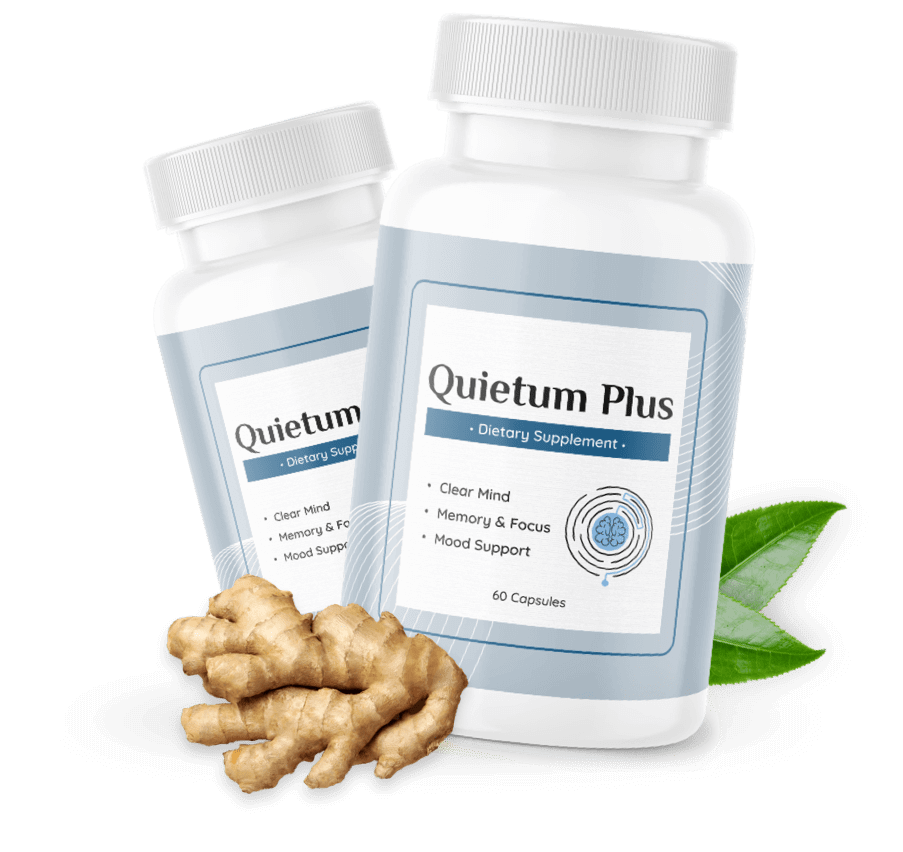
Currently, it is possible to develop cell-specific drugs that target brain regions but not others. There is no universal cure for tinnitus, but ongoing research aims to develop cell- or brain region-specific drugs that target the underlying mechanisms., and existing treatments primarily focus on managing the symptoms and minimizing the experience of tinnitus, indicating a need for research into new possibilities for treatment. These approaches include sound therapy, cognitive behavioral therapy (CBT), and various masking devices, which can be tailored to address the psychological aspects like depression and anxiety. While some individuals find relief through these methods, many continue to struggle with persistent tinnitus symptoms that are associated with tinnitus and may exacerbate issues like depression and anxiety. The search for more effective solutions is ongoing, with new research constantly exploring novel avenues that may be possible to develop into effective treatments. For instance, supplements like Quietum Plus are often discussed as potential relief options, and resources like Mywebsiteofficial.com frequently publish articles covering treatments, relief options, and solutions for various health concerns, seeking to provide comprehensive information to those affected.
SSRI Antidepressants and Their Role in Tinnitus
What are SSRIs?
Selective serotonin reuptake inhibitors, widely known as SSRIs, represent a common class of antidepressants prescribed for various mental health conditions such as depression and anxiety, but their effects on hearing tinnitus require further investigation. These medications work by affecting the serotonin levels in the brain, aiming to improve mood and overall well-being. While SSRIs are effective for many, their complex interaction with the central nervous system has led to questions regarding their potential effects on conditions like tinnitus, particularly involving serotonin that goes straight to specific brain circuits. The ongoing Serotonin Tinnitus Severity Study opens new avenues to understand how this class of antidepressant may influence the auditory system and the experience of tinnitus.
How SSRIs Affect Serotonin Levels
SSRIs primarily function by blocking the reuptake of serotonin by neurons, which effectively increases the amount of serotonin in the brain, particularly within the synaptic clefts. This elevation of serotonin is intended to enhance communication between brain cells, thereby improving mood regulation. However, the exact impact of these increased serotonin levels in some brain regions on the auditory system, specifically involving neurons that produce serotonin, remains a subject of intense research. It has long been suspected that serotonin was involved in tinnitus, and the new study endeavors to clarify this intricate relationship, exploring whether these medication-associated increases in serotonin can either alleviate or worsen tinnitus symptoms for people with tinnitus.
Potential Effects of SSRIs on Tinnitus Severity
The relationship between SSRIs and tinnitus severity is complex and not fully understood, leading to varied experiences among patients. While some individuals report no change or even an improvement in their tinnitus symptoms while on SSRIs, others may experience a worsening of their condition that is associated with tinnitus, highlighting the complex interplay of factors like depression and anxiety. Others unfortunately find that the medication may worsen tinnitus or even cause tinnitus to develop as a side effect, particularly in individuals with underlying conditions like depression and anxiety.. This discrepancy highlights the critical need for further research, as the Serotonin Tinnitus Severity Study aims to unravel how elevated serotonin levels, influenced by SSRIs, play a role in tinnitus. This study highlights the importance of understanding these nuances, as it could lead to more informed prescribing practices and better strategies for minimizing the experience of tinnitus for those affected.
The Serotonin Tinnitus Severity Study
Overview of the Study Design
The Serotonin Tinnitus Severity Study, a pioneering endeavor, is meticulously designed to investigate the intricate connections between serotonin in the brain and the experience of tinnitus, potentially leading to the development of brain region-specific drugs that steer treatment options. This comprehensive study involves a rigorous methodology, including detailed patient assessments, neurological evaluations, and the careful monitoring of participants’ responses to various interventions, aiming to understand how serotonin levels influence the auditory system. The research will specifically focus on how medication-associated increases in serotonin might impact tinnitus severity, ultimately seeking to clarify whether elevated serotonin can alleviate or potentially worsen tinnitus symptoms for people with tinnitus, thereby providing crucial insights into the role in tinnitus.
Research Links Between Tinnitus and Serotonin
For many years, it has been suspected that specific brain circuits involving serotonin play a role in the experience of tinnitus. serotonin was involved in tinnitusThe study suggests a delicate balance in the auditory system, given its widespread influence on numerous neurological functions, including mood, perception, and auditory processing, which gives us a much clearer understanding of what is going on in the brain. The Serotonin Tinnitus Severity Study aims to solidify these research links between tinnitus and serotonin by rigorously examining how fluctuations in serotonin levels in the brain correlate with changes in tinnitus severity. This new study is poised to unravel the complex mechanisms through which serotonin in some brain regions might contribute to or mitigate the symptoms of tinnitus, moving beyond mere correlation to explore direct causal relationships and deepen our understanding of this challenging condition.
Findings: SSRIs and Tinnitus Severity
The preliminary findings from studies exploring the relationship between SSRIs and tinnitus severity have presented a nuanced picture, indicating that while these selective serotonin reuptake inhibitors are a common class of antidepressants, their impact on tinnitus symptoms is not uniform. Some patients with tinnitus report that their symptoms fluctuate, which may be related to the specific brain circuit involving serotonin. SSRIs may worsen tinnitus or even cause tinnitus in susceptible individualsSome individuals experience ringing or buzzing, while others experience no change or even an improvement, giving us a much clearer picture of the variability in tinnitus experiences and the need for clinicians to work with their prescribing physician. The Serotonin Tinnitus Severity Study specifically addresses these inconsistencies, providing a robust platform to investigate how SSRIs steer the elevation of serotonin and whether these medication-associated increases in tinnitus severity are a direct consequence of altered serotonin levels. This study highlights the importance of understanding these complex interactions, ultimately guiding better therapeutic strategies for minimizing the experience of tinnitus without making tinnitus worse.
Implications of the Study Findings
How SSRIs May Worsen Tinnitus
The nuanced relationship between SSRIs and tinnitus severity is a critical area of investigation, especially considering that for some patients, these selective serotonin reuptake inhibitors may worsen tinnitus. While SSRIs are a common class of antidepressants prescribed for various mood disorders, the Serotonin Tinnitus Severity Study is shedding light on how the circuit involving serotonin that goes through the brain may be possible to develop further insights into tinnitus. medication-associated increases in serotonin levels in the brain could potentially exacerbate existing tinnitus symptoms or even cause tinnitus in susceptible individuals. It has long been suspected that serotonin was involved in tinnitus due to its widespread effects on neuronal activity within the auditory system, and this new study endeavors to clarify precisely how elevated serotonin, steered by SSRI use, might negatively impact the experience of tinnitus for people with tinnitus. This understanding is vital for minimizing the experience of tinnitus without making tinnitus worse, especially in light of its connections to conditions like depression and anxiety, highlighting the importance of clinicians recognizing and validating patient reports.
Future Research Directions
The Serotonin Tinnitus Severity Study opens up numerous avenues for future research, particularly in understanding the intricate role in tinnitus that serotonin in some brain regions plays, as noted by co-senior author Laurence Trussell. Moving forward, researchers will likely focus on pinpointing the specific neural circuits within the auditory system that are most affected by elevated serotonin levels, which could help explain why SSRIs may worsen tinnitus for some patients with tinnitus. Further investigations could also explore genetic predispositions that make certain individuals more susceptible to medication-associated increases in tinnitus severity when taking these common class of antidepressants. The study highlights the importance of not only understanding how to treat tinnitus but also exploring new possibilities for treatment. Identifying individuals at risk is essential for developing cell- or brain region-specific drugs that steer the way for personalized therapeutic strategies and more targeted drug development. to minimize the experience of tinnitus.
Recommendations for Patients
For patients with tinnitus currently taking or considering SSRIs, it is crucial to engage in open and thorough communication with their healthcare providers. Given the findings that SSRIs may worsen tinnitus in some individuals, people with tinnitus should work closely with their prescribing physician to find a drug that balances their mental health needs. If medication-associated increases in tinnitus severity are observed, it’s important to discuss alternative treatment strategies or adjustments to their current regimen without discontinuing medication abruptly. “This study highlights the importance” of individualized care and informed decision-making, particularly in the context of recognizing and validating patient reports. The Serotonin Tinnitus Severity Study doesn’t advocate for stopping necessary antidepressant treatment but rather for a careful evaluation of the effects of tinnitus in conjunction with serotonin levels, ensuring that the benefits of the antidepressant outweigh any potential increase in tinnitus.